
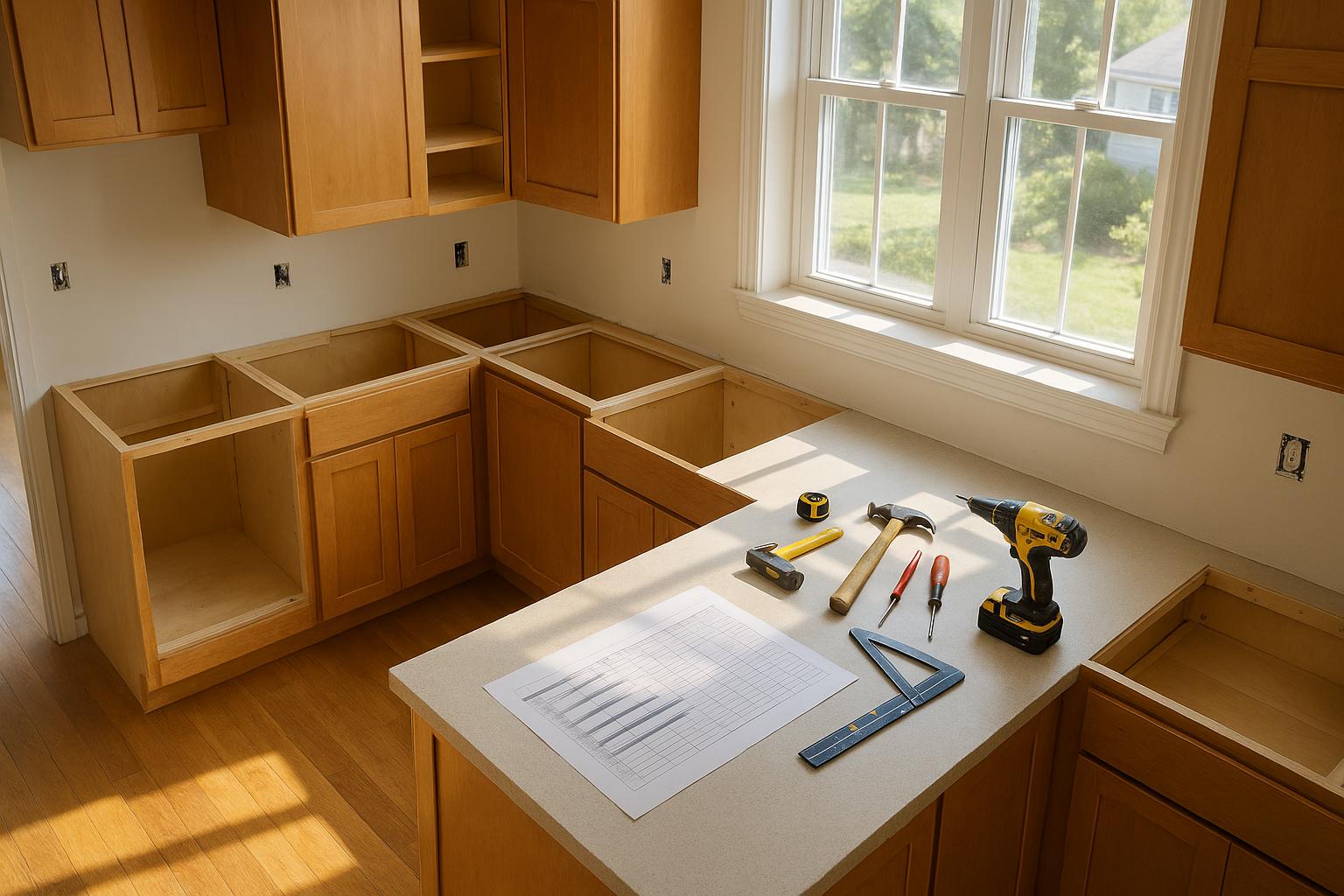
Why Remodel Timelines Matter More Than You Think
One of the first questions every homeowner asks before starting a renovation is simple: how long is this going to take? It's a fair question. Whether you're remodeling a kitchen, adding a bathroom, or tackling a whole-home renovation, the timeline affects everything — from your daily routine to your budget and even your stress levels.
Yet timelines are also one of the most misunderstood parts of remodeling. Online estimates rarely account for local permitting processes, material lead times, or the unique challenges that come with renovating homes in San Diego. In this guide, we'll walk you through what a realistic remodel timeline looks like, what causes delays, and how you can plan ahead to keep your project moving smoothly.
Typical Timelines for Common Remodeling Projects
Every project is different, but here are general timeframes for the most popular types of home remodels. These estimates include the design, permitting, construction, and finishing phases.
Bathroom Renovation: 3 to 6 Weeks
A straightforward bathroom update — new tile, vanity, fixtures, and paint — can often be completed in three to four weeks once construction begins. If you're reconfiguring the layout, moving plumbing, or expanding the space, expect closer to six weeks or more. Keep in mind that tile and custom vanities can have longer lead times, so ordering materials early is key.
Kitchen Remodel: 6 to 12 Weeks
Kitchens are the most complex room to remodel. Between cabinetry, countertops, electrical work, plumbing, flooring, and appliances, there are a lot of moving parts. A minor kitchen refresh might wrap up in six weeks, while a full gut-and-rebuild with custom cabinets and new layouts can take three months or longer. Custom cabinetry alone can require six to eight weeks for fabrication.
Home Addition: 3 to 6 Months
Adding square footage to your home is essentially a small construction project. Between architectural plans, engineering, city permits, foundation work, framing, and finish work, a home addition in San Diego typically takes three to six months. Larger or more complex additions — like a second story — can extend beyond that.
Whole-Home Remodel: 4 to 8 Months
A full-home renovation that touches multiple rooms, systems, and finishes is a significant undertaking. Depending on the scope, these projects generally range from four to eight months. Phased approaches, where one section of the home is completed before moving to the next, can extend the overall timeline but allow you to continue living in the home during construction.
What Causes Delays in San Diego Remodels?
Understanding common delay factors helps you plan realistically and avoid frustration. Here are the most frequent culprits we see in the San Diego area.
Permitting and Inspections
The City of San Diego's Development Services Department handles building permits, and processing times can vary significantly depending on the type of project and current workload. Simple permits might be approved in a few days, while more complex projects requiring plan review can take several weeks. Factor this into your timeline from the start — permits aren't optional, and skipping them creates serious problems down the road.
Material Lead Times
Supply chain disruptions have improved since the pandemic, but certain materials still carry long lead times. Custom cabinetry, specialty tile, imported fixtures, and specific countertop slabs can all add weeks to your project if not ordered early. We always recommend finalizing material selections during the design phase so orders can be placed well before construction begins.
Discovery of Hidden Issues
Older homes in neighborhoods like La Jolla, Coronado, and El Cajon sometimes reveal surprises once walls are opened up — outdated wiring, corroded plumbing, water damage, or insufficient framing. These issues need to be addressed before the remodel can continue, and they're nearly impossible to predict until demolition is underway. A good contractor will communicate these findings immediately and provide options for moving forward.
Design Changes Mid-Project
Changing your mind about layouts, materials, or finishes after construction has started is one of the biggest causes of timeline extensions. Every change requires reassessing the plan, potentially reordering materials, and adjusting the construction sequence. The best way to avoid this is to invest time in thorough planning and design before any hammer swings.
How to Keep Your Remodel on Schedule
While no one can guarantee a remodel will finish on the exact projected date, there are several things you can do as a homeowner to keep things moving efficiently.
- Finalize your design before construction starts. The more decisions you make upfront — from cabinet styles to grout color — the fewer delays you'll face during the build.
- Order materials early. Work with your contractor to identify long-lead items and get them ordered as soon as possible. Having materials on-site and ready prevents costly downtime.
- Respond to questions quickly. During construction, your contractor will need decisions and approvals from you. Prompt responses keep the crew productive and the schedule intact.
- Build a buffer into your expectations. Add two to three weeks to whatever timeline you're given. This isn't pessimism — it's practical planning that accounts for the unexpected.
- Choose a contractor who communicates clearly. A contractor who provides a detailed project schedule and keeps you updated weekly is worth their weight in gold. You should never have to wonder what's happening with your own home.
Why Planning Ahead Is Especially Important in San Diego
San Diego's mild climate is actually a huge advantage for remodeling — construction can happen year-round without the weather-related shutdowns common in other parts of the country. However, this also means contractors stay busy throughout the year. If you're hoping to start a project during peak season (typically spring and summer), booking your contractor several months in advance is wise.
Additionally, homes across San Diego vary widely in age and construction style. A mid-century home in Chula Vista presents different challenges than a newer build in National City. An experienced local contractor will know what to anticipate based on the era and style of your home, which helps create a more accurate timeline from the beginning.
The Bottom Line
A realistic timeline is one of the most valuable things your contractor can give you. It sets expectations, reduces stress, and helps you plan your life around the renovation instead of being caught off guard by it. At Ridgeview General Contractors, we build detailed project schedules for every remodel we take on and keep our San Diego homeowners informed every step of the way. If you're considering a remodel and want to understand what your specific timeline might look like, we're happy to walk you through it.